Coping with Itchiness During Cancer Treatment

October 28, 2025

Skincare Strategies for Relief and Comfort

Itchiness is one of the most frustrating side effects of cancer treatments like radiation and chemotherapy. It can range from mild irritation to intense discomfort that affects sleep and quality of life. The good news is that there are effective ways to soothe itchy skin and protect it from further damage.


Why Cancer Treatment Causes Itching


Treatments that target cancer cells also impact healthy skin cells. Radiation can dry out the skin and weaken its barrier, while chemotherapy may cause systemic dryness and rashes. Both make the skin more vulnerable to irritation and itching.


Gentle Cleansing to Calm the Skin


Harsh cleansers strip the skin of its natural oils, making itching worse. Choose a fragrance-free, soap-free cleanser and wash with lukewarm water. Pat your skin dry with a soft towel rather than rubbing.


Moisturize Consistently


Hydration is the first defense against itching. Use a gentle moisturizer multiple times a day, especially after bathing. Applying moisturizer to slightly damp skin helps lock in hydration for longer-lasting relief.


Cooling Relief for Irritated Areas


Applying a cool compress or using products with soothing ingredients such as aloe vera, chamomile, or calendula can help calm itchy patches. Avoid scratching, as it can break the skin and increase the risk of infection.


Avoid Common Irritants


  • Skip heavily fragranced lotions, perfumes, or harsh detergents.
  • Wear soft, breathable fabrics like cotton instead of rough or synthetic materials.
  • Avoid long, hot showers that strip the skin barrier.


Kureology M.D.: Specialized Care for Itchy, Sensitive Skin


Kureology M.D. specializes in skincare products designed for sensitive and compromised skin, including patients undergoing cancer treatment. Our formulations help reduce irritation, hydrate deeply, and support healing—providing comfort when your skin needs it most.
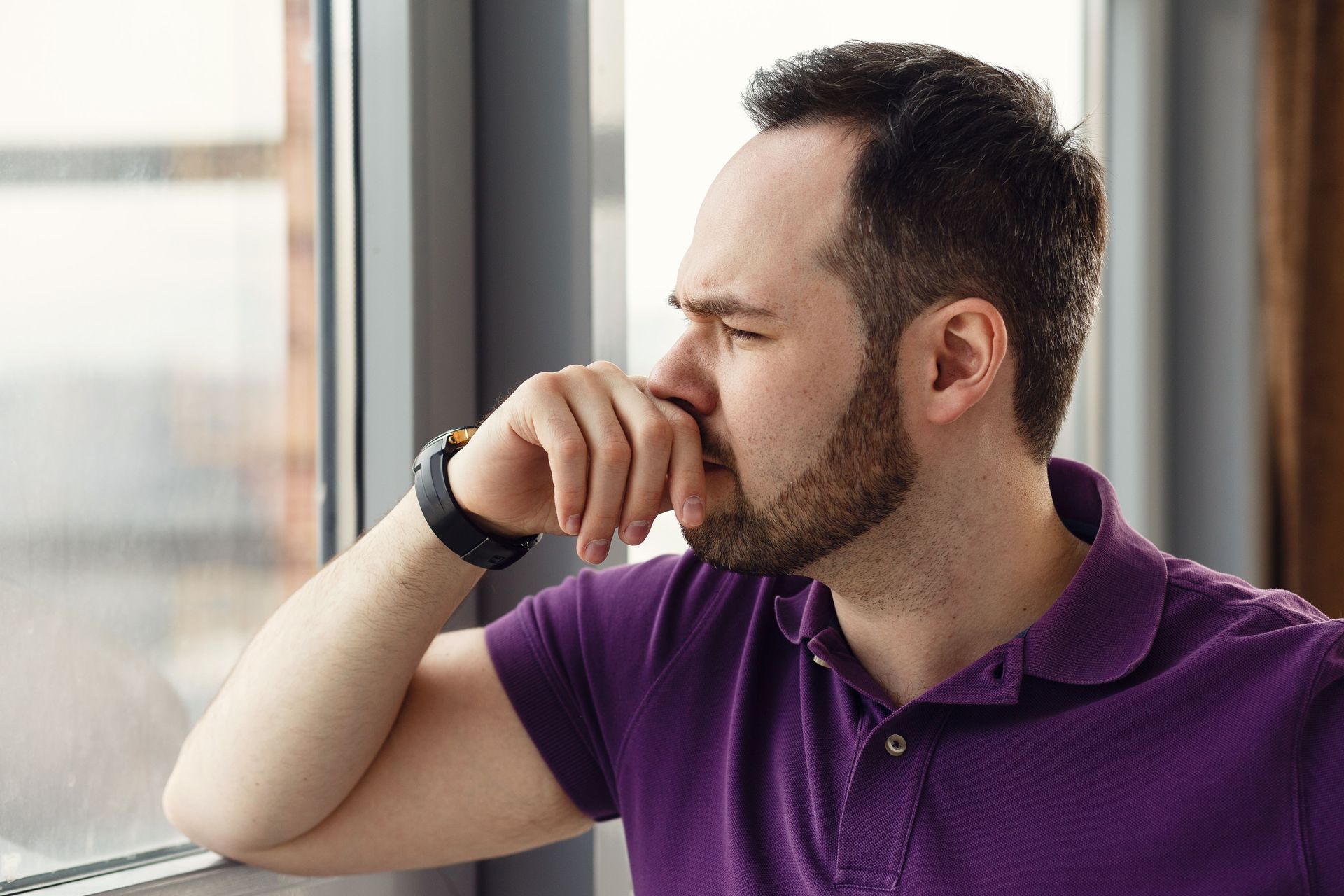

Coping with Itchiness During Cancer Treatment
By 7131525011 December 22, 2025
Skin undergoing radiation therapy, chemotherapy, or managing chronic sensitivity requires more than surface level care. Hydration plays a critical role in protecting the skin barrier, reducing irritation, and supporting the body’s natural healing process. For patients experiencing radiation dermatitis, eczema, or treatment related dryness, maintaining proper hydration can make a noticeable difference in comfort and skin resilience. How Cancer Treatments Affect Skin Hydration Radiation and chemotherapy disrupt the skin’s ability to retain moisture. As the skin barrier weakens, water loss increases, leading to dryness, flaking, tightness, and irritation. This dehydration can slow healing and make the skin more vulnerable to breakdown and infection. Internal Hydration and Skin Recovery Drinking enough fluids supports circulation and delivers nutrients to the skin. Proper hydration helps skin cells function more effectively and supports repair from the inside out. While hydration alone cannot prevent treatment related skin changes, it is a foundational part of overall skin health during and after treatment. External Hydration for Compromised Skin Topical hydration is essential when the skin barrier is compromised. Applying gentle, nourishing moisturizers helps reduce moisture loss, calm inflammation, and protect sensitive areas from friction and environmental stressors. Kureology M.D. specializes in skincare products designed specifically for radiation dermatitis, eczema, and sensitive skin. Their formulations focus on restoring hydration, supporting the skin barrier, and avoiding harsh additives that can worsen irritation. When and How to Apply Moisturizers For best results, moisturizers should be applied consistently throughout the day, especially after cleansing or bathing while the skin is still slightly damp. This helps lock in moisture and provides longer lasting relief from dryness and discomfort. Signs Your Skin Needs More Hydration Patients may benefit from increasing hydration if they notice: Tight or uncomfortable skin Increased flaking or peeling Redness or heightened sensitivity Cracking or delayed healing Addressing dryness early can help reduce the severity of skin reactions during treatment. Supporting Healing with the Right Skincare Hydration is not just about comfort—it is a key part of protecting vulnerable skin during cancer treatment. Using products formulated for medically sensitive skin helps ensure that hydration supports healing rather than causing further irritation. Kureology M.D. is committed to providing specialized skincare solutions for patients navigating radiation dermatitis and ongoing skin sensitivity, helping support healthier skin through every stage of treatment and recovery.
skincare for radiation treatments
December 12, 2025
Learn why consistent skincare for radiation treatments is essential to protect, soothe, and strengthen skin throughout cancer therapy.
December 2, 2025
Supporting Recovery and Comfort While You Sleep
More Posts →