How Nutrition Supports Skin Healing During Cancer Treatment

October 21, 2025

The Role of Diet in Managing Sensitivity and Irritation

Cancer treatments like radiation and chemotherapy can be tough on the skin, often causing dryness, redness, and irritation. While skincare plays an essential role, what you eat also impacts how well your skin can heal. Proper nutrition gives the body the building blocks it needs to repair damaged tissue, reduce inflammation, and maintain a healthy skin barrier.


Why Nutrition Matters for Your Skin


When the body is healing, it requires extra vitamins, minerals, and hydration. A diet rich in nutrients helps strengthen the skin, supports immune function, and can ease common side effects like dryness and sensitivity.


Key Nutrients for Skin Repair


  • Vitamin A – Promotes skin cell renewal and repair. Found in sweet potatoes, carrots, and leafy greens.
  • Vitamin C – Boosts collagen production and supports wound healing. Found in citrus fruits, strawberries, and bell peppers.
  • Vitamin E – Helps protect against oxidative stress and soothe irritation. Found in nuts, seeds, and avocados.
  • Omega-3 Fatty Acids – Reduce inflammation and support skin hydration. Found in salmon, flaxseeds, and walnuts.
  • Protein – Essential for repairing damaged tissue. Found in lean meats, eggs, beans, and legumes.
  • Water – Staying hydrated improves elasticity and reduces dryness.


Simple Eating Tips for Patients

  • Focus on whole, unprocessed foods that provide steady nourishment.
  • Eat small, frequent meals to avoid treatment-related nausea while still supporting healing.
  • Avoid excess sugar and processed foods, which can worsen inflammation.
  • Stay hydrated with water, herbal teas, or broths to keep skin supple.


Kureology M.D.: Supporting Healing Inside and Out


At Kureology M.D., we recognize that skin health is about more than just what you apply on the outside. Our dermatology-developed skincare line is designed to protect and hydrate compromised skin, working alongside healthy nutrition and medical care to support your healing journey.
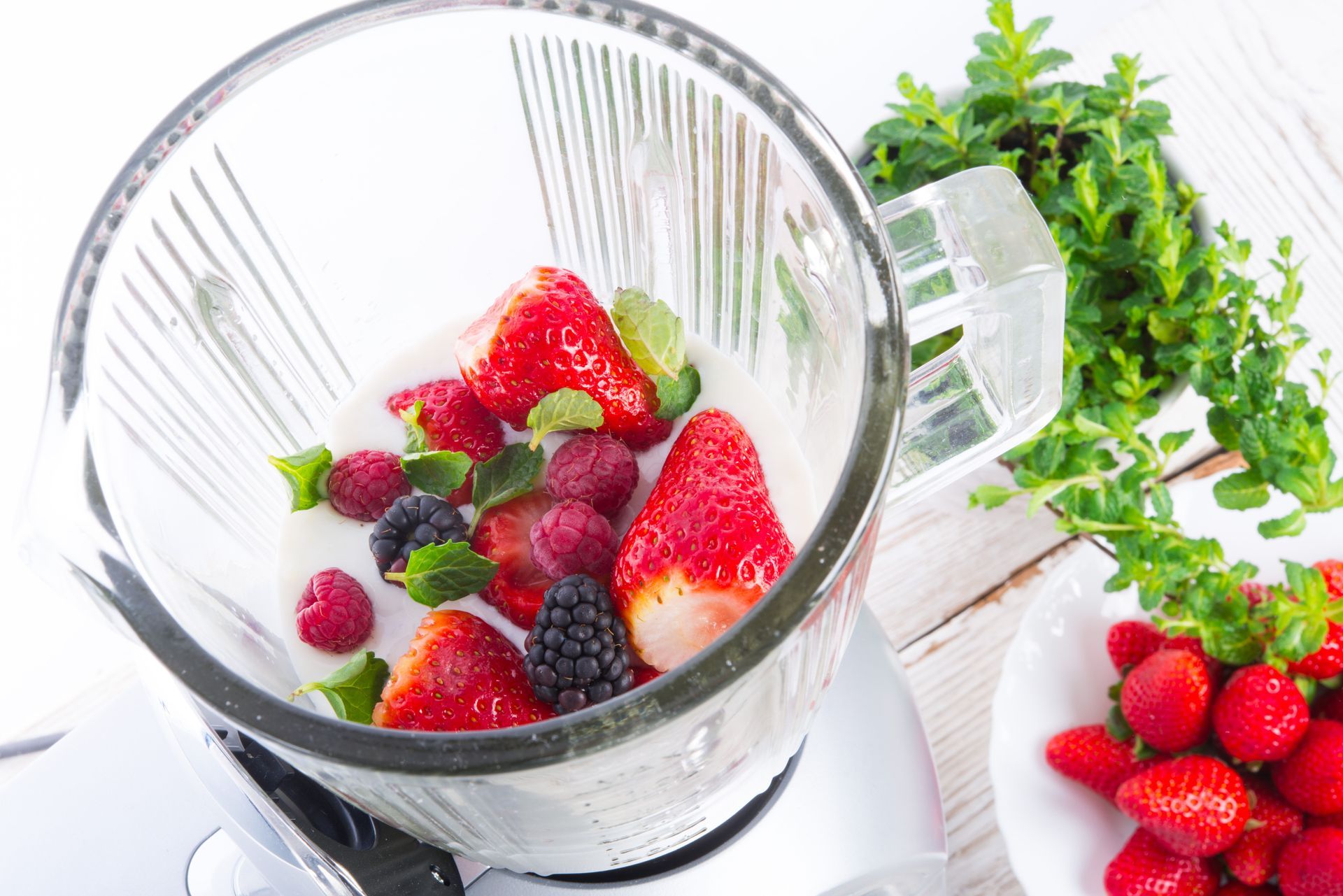

How Nutrition Supports Skin Healing During Cancer Treatment
February 2, 2026
Understanding delayed skin reactions during and after radiation therapy
January 26, 2026
Radiation dermatitis can linger long after treatment ends, making it difficult to tell whether your skin is truly healing. Many patients expect steady improvement, but recovery often happens gradually and unevenly. Understanding the signs of progress can help reassure you that healing is underway, even if discomfort hasn’t fully disappeared. Redness Slowly Becomes Less Intense One of the earliest signs of improvement is a gradual reduction in redness. The skin may still appear pink or flushed, but the deeper, more intense redness typically fades over time. This change often happens slowly and may fluctuate from day to day, especially with heat, friction, or sun exposure. Less Burning or Stinging Sensation As inflammation decreases, sharp burning or stinging sensations usually begin to lessen. Some tenderness may remain, but pain often becomes less intense or occurs less frequently. Nerve related sensations can persist longer, even after visible irritation improves, which is a normal part of radiation skin recovery. Skin Feels Less Tight or Fragile Radiation damages the skin’s moisture barrier, causing tightness and discomfort. As healing progresses, the skin may begin to feel more flexible and less prone to cracking. Consistent moisturizing supports this process and reduces stress on healing tissue. Kureology M.D. specializes in skincare products designed for radiation dermatitis, eczema, and sensitive skin, with formulations created to support compromised skin as the barrier rebuilds. Peeling and Flaking Decrease During active radiation dermatitis, peeling and flaking are common. As healing continues, these symptoms usually become less frequent and less severe. Occasional dryness may still occur, particularly in dry environments or with frequent washing, but it should feel more manageable over time. Skin Recovers Faster After Irritation Another positive sign is how quickly the skin calms after irritation. Early in recovery, even mild friction or heat can trigger prolonged discomfort. As healing improves, flare ups may still happen but tend to resolve more quickly, indicating a strengthening skin barrier. Discoloration Slowly Evens Out Darkening or uneven skin tone is common after radiation therapy. While pigmentation changes can take months to fade, gradual lightening or more even tone is a sign that healing is progressing. Ongoing sun protection is important to prevent discoloration from becoming more pronounced. Sensitivity Still Exists but Feels Different Improving skin does not always mean sensitivity disappears completely. Many patients notice that discomfort shifts from sharp or painful sensations to milder tenderness or awareness. This often reflects continued healing of nerves and deeper skin layers beneath the surface. When Healing Should Be Evaluated Healing should trend toward improvement overall, even if progress is slow. If skin becomes increasingly painful, develops open sores, or shows signs of infection, medical evaluation is important. Supporting Continued Recovery Radiation dermatitis recovery takes time, patience, and consistent care. Gentle routines, barrier focused skincare, and minimizing irritation help support long term comfort. Understanding the signs of improvement can help set realistic expectations and reduce anxiety during the healing process.
January 19, 2026
Practical Ways to Support Long Term Skin Recovery
More Posts →